


Jun 16, 2023Calculating Z-Scores in R Method 1: Manual Calculation Step 1: Importing Data Assuming you have a dataset in a CSV file named “data.csv”. data <- read.csv (“path_to_your_file/data.csv”) Step 2: Understanding Your Data Take a look at the first few rows of your data. head (data) Step 3: Calculating the Mean
Did You Know How to Calculate Z Score in R? | by RStudioDataLab | Medium
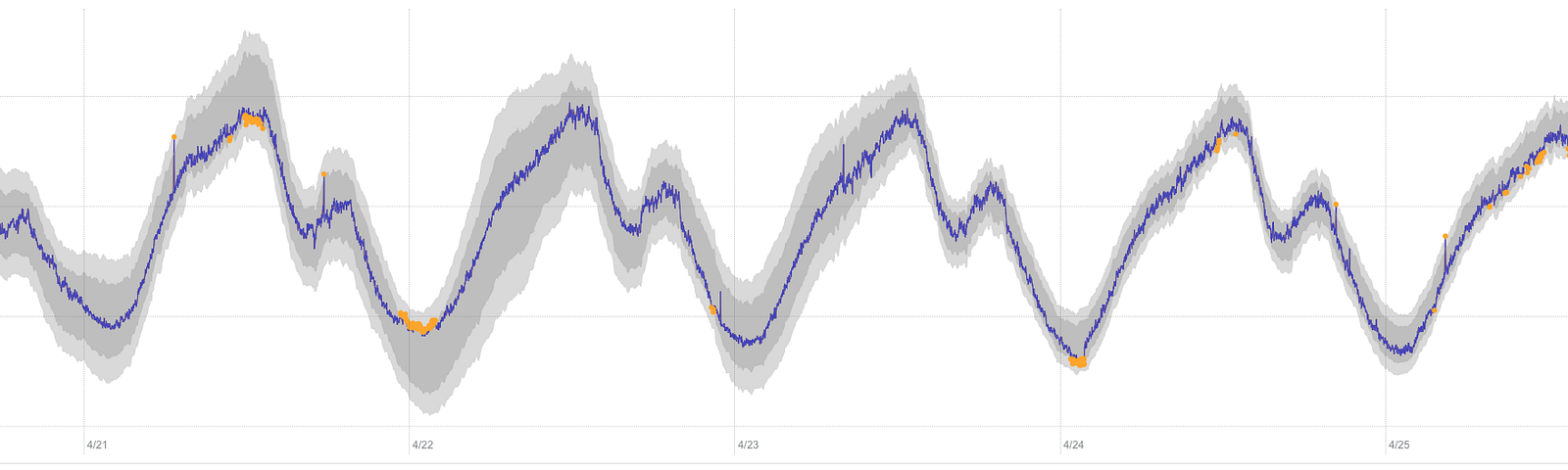
The first step to find the z-score is to find the population mean and standard deviation. It should be noted that the sd function in R uses the sample standard deviation and not the population standard deviation, though with 25,000 samples the different is rather small.
Source Image: medium.com
Download Image
Dec 13, 2023To calculate the z-scores in R, use either the “basic formula” or “scale ()” function. The z-score is a measure that shows how much away (below or above) of the mean is a specific value (individual) in a given dataset. Method 1: Using the basic formula z = (X – μ) / σ Where: X is a single raw data value μ is the population mean
Source Image: simplypsychology.org
Download Image
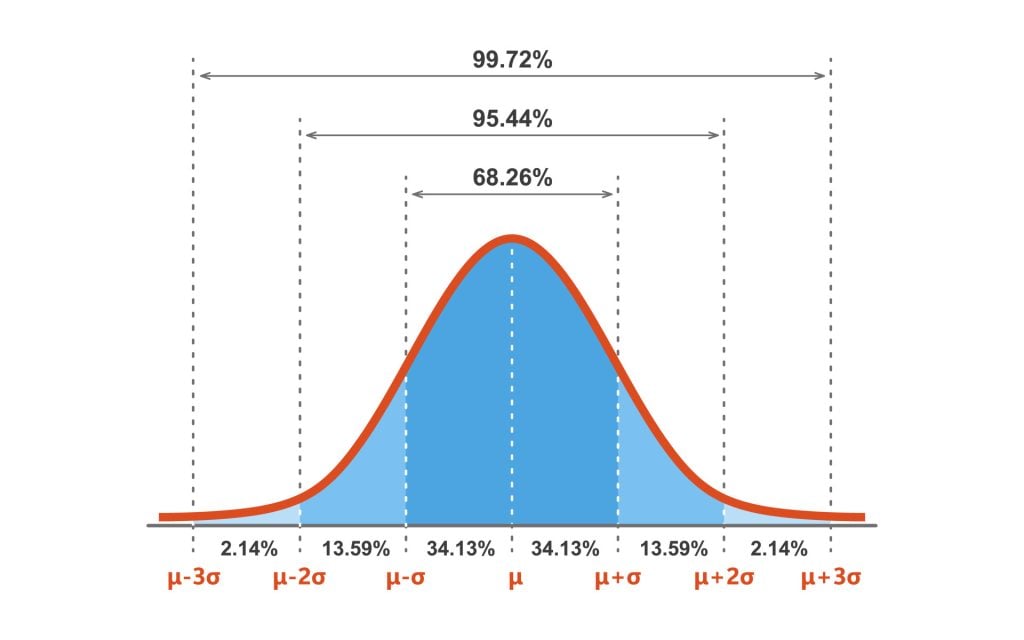
How to plot Z-scores in R – Stack Overflow Z= (value – mean)/ (Standard Deviation) Using a z table, you can get the corresponding p-value test statistic for this z score, it indicates whether a score of 75 is in the top 10% of the class or not. In general, the z score tells you how far a value is from the average of the data in terms of standard deviations.

Source Image: simplypsychology.org
Download Image
Z Score Calculation In R
Z= (value – mean)/ (Standard Deviation) Using a z table, you can get the corresponding p-value test statistic for this z score, it indicates whether a score of 75 is in the top 10% of the class or not. In general, the z score tells you how far a value is from the average of the data in terms of standard deviations. The zscore is a way to standardize the performance. It’s defined as z = y − ¯y s , z = y − y ¯ s , where y y is a data value, ¯y y ¯ is the mean of all data values, and s s is their standard deviation. I’ll keep this definition visible in the bottom right. The translation of this equation into R is straightforward.
How to Use the Z-Score Table (Standard Normal Table)
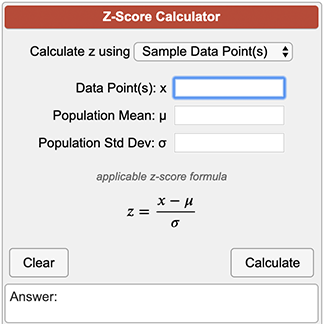
This article shows how to calculate z-scores (also called standard scores, z-values, normal scores, and standardized variables) in the R programming language. The content of the page is structured as follows: 1) Introducing Example Data 2) Example 1: Standardize Values Manually 3) Example 2: Standardize Values Using scale () Function Z Score Calculator
Source Image: calculatorsoup.com
Download Image
Psy231 Lab 2: Z-scores & Probabilities- R – YouTube This article shows how to calculate z-scores (also called standard scores, z-values, normal scores, and standardized variables) in the R programming language. The content of the page is structured as follows: 1) Introducing Example Data 2) Example 1: Standardize Values Manually 3) Example 2: Standardize Values Using scale () Function

Source Image: m.youtube.com
Download Image
Did You Know How to Calculate Z Score in R? | by RStudioDataLab | Medium Jun 16, 2023Calculating Z-Scores in R Method 1: Manual Calculation Step 1: Importing Data Assuming you have a dataset in a CSV file named “data.csv”. data <- read.csv (“path_to_your_file/data.csv”) Step 2: Understanding Your Data Take a look at the first few rows of your data. head (data) Step 3: Calculating the Mean
Source Image: medium.com
Download Image
How to plot Z-scores in R – Stack Overflow Dec 13, 2023To calculate the z-scores in R, use either the “basic formula” or “scale ()” function. The z-score is a measure that shows how much away (below or above) of the mean is a specific value (individual) in a given dataset. Method 1: Using the basic formula z = (X – μ) / σ Where: X is a single raw data value μ is the population mean

Source Image: stackoverflow.com
Download Image
AP Statistics: How to Calculate Z Scores – YouTube Jan 17, 2023where: X is a single raw data value μ is the population mean σ is the population standard deviation This tutorial explains how to calculate z-scores for raw data values in R. Example 1: Find Z-Scores for a Single Vector The following code shows how to find the z-score for every raw data value in a vector:

Source Image: youtube.com
Download Image
Data Science with R – Why Z Score is Easier to Calculate – YouTube Z= (value – mean)/ (Standard Deviation) Using a z table, you can get the corresponding p-value test statistic for this z score, it indicates whether a score of 75 is in the top 10% of the class or not. In general, the z score tells you how far a value is from the average of the data in terms of standard deviations.

Source Image: youtube.com
Download Image
Calculating dynamic Z scores in Tableau | Vizzee Rascal The zscore is a way to standardize the performance. It’s defined as z = y − ¯y s , z = y − y ¯ s , where y y is a data value, ¯y y ¯ is the mean of all data values, and s s is their standard deviation. I’ll keep this definition visible in the bottom right. The translation of this equation into R is straightforward.

Source Image: gwilymlockwood.com
Download Image
Psy231 Lab 2: Z-scores & Probabilities- R – YouTube
Calculating dynamic Z scores in Tableau | Vizzee Rascal The first step to find the z-score is to find the population mean and standard deviation. It should be noted that the sd function in R uses the sample standard deviation and not the population standard deviation, though with 25,000 samples the different is rather small.
How to plot Z-scores in R – Stack Overflow Data Science with R – Why Z Score is Easier to Calculate – YouTube Jan 17, 2023where: X is a single raw data value μ is the population mean σ is the population standard deviation This tutorial explains how to calculate z-scores for raw data values in R. Example 1: Find Z-Scores for a Single Vector The following code shows how to find the z-score for every raw data value in a vector:
